

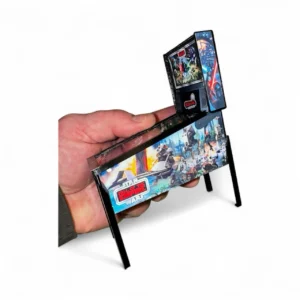
Introduction to Modern Pinball Machines
Modern pinball machines have evolved significantly from their mechanical predecessors, embodying intricate designs that blend classic gameplay with state-of-the-art technology. These machines are a fusion of mechanical artistry and computerized control, allowing for dynamic gameplay experiences that engage players in immersive ways.
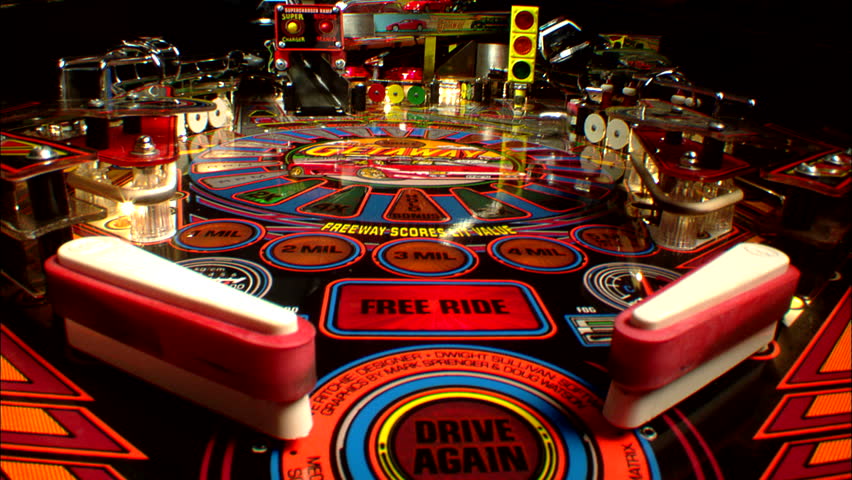
At the core of each modern pinball machine is its gameplay mechanics, which incorporate ramps, flippers, targets, and bumpers that require skill and strategy. Players aim to achieve high scores, with multiple ways to earn points through specific sequences and skill shots. This traditional foundation is complemented by enhancements such as multi-ball play, interactive displays, and music that responds to gameplay, providing a captivating experience that resonates with both new and veteran players.
Technological advancements have introduced features such as touch screens, LED lighting, and online connectivity, allowing for greater player interaction and engagement. Many modern machines now feature sophisticated sound systems that create an atmosphere responsive to in-game events. Furthermore, software updates for many machines can enhance longevity, providing fresh gameplay experiences with new challenges and features, keeping the ecosystem vibrant and engaging.
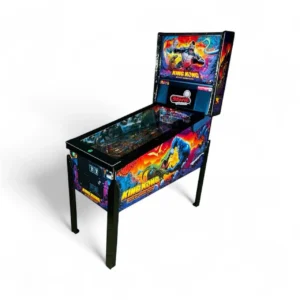
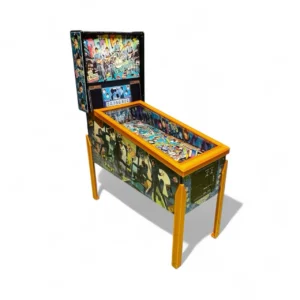
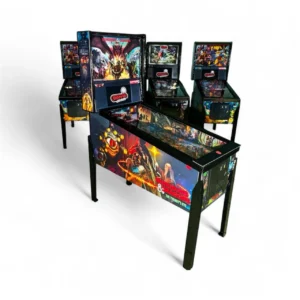
Popular features of contemporary machines include themed designs based on movies, games, or other pop-culture references, which enhance their appeal. Players may find limited-edition releases that offer unique gameplay elements, contributing to a growing collector’s market. Additionally, multi-player options are increasingly common, making pinball a social activity, enriching the gameplay experience.
This overview sets the stage for what players can expect from modern pinball machines, illuminating the common issues that may arise as a natural part of these complex machines. Understanding their mechanics and features helps in troubleshooting problems, paving the way for an enjoyable gaming experience.
Common Issues Faced by Pinball Machines
Modern pinball machines, while entertaining and complex, are not without their challenges. Understanding the common issues that can arise is essential for effective troubleshooting and optimal performance. One major category of problems involves electronic failures. These may include circuit board malfunctions, faulty connections, or issues with the power supply. Circuit boards are crucial as they control various aspects of the machine, and any failure can result in complete operational disruption.
Mechanical jams also represent a noteworthy concern for pinball enthusiasts. These jams can occur in various parts of the machine, including the flippers, ball mechanisms, and targets. Mechanical components, while engineered for durability, can wear over time, leading to misalignments, kinks, or outright breakages. For instance, a misaligned target could prevent accurate detection when the ball strikes it, thereby diminishing the gameplay experience.
Another pertinent issue pertains to software bugs. As pinball machines become increasingly digital, the potential for software glitches has also risen. Bugs might manifest as unresponsive controls, improper scoring, or even game freezes. Often, these problems can be rectified through software updates or resets, but identifying the root cause is critical to ensure long-term stability.
Additionally, players might encounter display issues; the screens can malfunction, showing flickering images or failing to illuminate entirely. Such issues require careful examination of both the display unit and the associated wiring. Furthermore, maintenance neglect can lead to dusty sensors or dirty playfields, which can affect the overall performance and restore capabilities of the machine.
In conclusion, acknowledging these common problems, from electronic failures to mechanical jams and software glitches, is vital for anyone involved in troubleshooting modern pinball machines. A comprehensive understanding not only aids in problem identification but also enhances the overall gaming experience.
Tools and Equipment Needed for Repair
To effectively troubleshoot and repair modern pinball machines, a well-equipped toolkit is essential. The range of tools and equipment varies according to the specific issues encountered but there are several fundamental items that every pinball technician should have. By assembling the right tools, you not only streamline the repair process but also enhance your ability to diagnose and fix problems accurately.
First and foremost, a set of screwdrivers is indispensable. Both Phillips and flathead screwdrivers in various sizes are crucial for accessing different parts of the machine. Small precision screwdrivers can be particularly useful for working on smaller components, ensuring that you can handle screws with care without damaging surrounding materials.
Next, a multimeter is an essential diagnostic tool. This device allows you to measure voltage, resistance, and continuity in the electronic circuits of the pinball machine. Understanding how to use a multimeter can significantly aid in identifying electrical issues, such as broken wires or faulty components. Being able to test various electronic parts can save time when it comes to troubleshooting.
In addition to screwdrivers and a multimeter, having a pinball repair kit is highly beneficial. Such kits often include various fuses, bulbs, connectors, and other specialized components that are commonly needed for repairs. These kits can greatly reduce downtime when parts need to be replaced, as they include many of the most frequently used items.
Furthermore, additional tools like needle-nose pliers, wire strippers, and a soldering iron, can prove invaluable. These tools enable you to manipulate hard-to-reach wires, strip insulation, and perform soldering tasks as necessary. Each tool plays a pivotal role in ensuring that your pinball machine stays in optimal working condition.
In summary, assembling a comprehensive toolkit is fundamental for anyone serious about troubleshooting modern pinball machines. The right tools not only facilitate repairs but also empower technicians to tackle a wide range of issues efficiently, enhancing the overall durability and performance of the machines.
Step 1: Safety First – Preparing for Repair
Before commencing any repairs on modern pinball machines, ensuring a safe working environment is of paramount importance. The process begins by unplugging the machine from the power source. This step is crucial as it eliminates the risk of electrical shock, which can be a significant hazard when dealing with electrically powered devices. An inattentive moment near live wires or exposed components can lead to serious injury.
In addition to disconnecting the power, it is essential to conduct any repairs in a well-ventilated area. Many pinball machines contain parts and materials that may emit fumes or dust during repair work. Proper ventilation helps to mitigate any risks associated with inhaling potentially harmful substances. Opening windows or using fans to create airflow in the workspace can significantly enhance safety and comfort.
Furthermore, wearing appropriate protective gear should be a priority for anyone performing repairs. Safety glasses can protect the eyes from debris or splashes of cleaning solvents. Gloves can provide a barrier against chemicals or sharp edges within the machine. Do not overlook other protective equipment such as dust masks, especially if the work involves sanding or handling older components that may produce dust particles.
It is advisable to familiarize oneself with the specific safety protocols related to the tools and parts being utilized during the repair process. Each component has unique handling requirements; thus, adhering to these guidelines can prevent accidents and injuries. Keeping a first aid kit accessible in the workspace is another prudent measure, as it ensures that immediate assistance is available in the event of an unforeseen incident.
By prioritizing safety through these guidelines, individuals can create an environment that not only protects themselves but also contributes to a more effective troubleshooting process for modern pinball machines. Taking these precautionary steps lays the foundation for a successful and secure repair experience.
Inspecting the Machine
Conducting a comprehensive inspection of the pinball machine is a critical step in identifying any obvious issues that may affect its performance. Start by ensuring the machine is powered off and unplugged from the electrical outlet to avoid any risk of electric shock during the inspection process.
Begin by visually examining the exterior of the pinball machine. Look for any signs of wear or damage, such as scratches, dents, or rust on the surface. These external issues might not directly affect gameplay but could be indicative of deeper problems. Pay special attention to the cabinet, as structural integrity is essential for proper function.
Next, focus on the playfield itself. Inspect the playfield for any visible damage such as scratches, chips, or wear in high-use areas. Look out for any areas where the paint has worn away or where the surface texture has significantly changed, as these can impact the gameplay experience and lead to further damage if left unaddressed.
After assessing the physical condition, examine the internal components carefully. Open the machine’s access door and visually check for any loose or disconnected wiring. Loose connections can cause myriad issues, from malfunctioning lights to unresponsive flippers. Make sure to gently tug on each wire connection to ensure it is secure, avoiding excessive force that may cause further damage.
While inspecting the internal parts, take note of any electronic components or mechanisms that appear corroded or worn. This includes switches, solenoids, and the circuit board. Corroded components may not function effectively and can lead to additional challenges in the game’s operation. If you notice rust or other signs of damage, consider replacement as a viable option to restore the machine.
In conclusion, thoroughly inspecting the pinball machine for visible wear and loose connections not only helps identify immediate issues but also contributes to the longevity and performance of the machine. Taking the time to conduct this detailed inspection is pivotal in ensuring an enjoyable gaming experience.
Diagnosing Electrical Issues
Troubleshooting electrical problems in modern pinball machines is crucial for maintaining performance and ensuring player satisfaction. The first step in diagnosing these issues is to conduct a thorough examination of the machine’s power supply system. Begin by checking all fuses; this involves looking for any blown fuses and replacing them as necessary. A continuity test with a multimeter can confirm whether a fuse is functioning properly, thus eliminating one potential source of error.
Furthermore, inspect the power supply connectors and wiring for any signs of damage such as fraying or corrosion. Damaged wiring can lead to intermittent power issues, which are often challenging to diagnose without a meticulous examination. Any corroded connections should be cleaned or replaced to ensure optimal conductivity.
Once the fuses and wiring have been verified, the next step involves testing the power supply voltage. Use a multimeter to measure the voltage at the power supply output. Consult the machine’s technical manual for the correct voltage specifications. If the voltage is outside the acceptable range, it may indicate a failing power supply that needs replacement.
In addition to inspecting the power supply, it is essential to trace the wiring throughout the machine to locate any shorts or disconnections. With the multimeter set to continuity mode, test for signs of short circuits, which can severely affect the operation of various machine components, such as solenoids and lights. Follow the wiring diagram provided in the documentation to accurately trace the circuits.
As you progress through these diagnostic steps, keep detailed notes of your findings and the specific conditions under which the electrical issues occur. This information can be invaluable for further troubleshooting and repairs. Ultimately, by methodically diagnosing electrical issues, you will enhance the reliability and enjoyment of the pinball machine, ensuring it remains a favorite among players.
Fixing Mechanical Problems
Modern pinball machines are intricate devices that combine various mechanical components and electronic systems. As a result, mechanical issues can arise, affecting gameplay significantly. It is essential to identify and address these common problems efficiently. The most frequent mechanical issues include stuck balls, broken flippers, and malfunctioning bumpers.
One prevalent issue among pinball machines is the problem of stuck balls. This typically occurs when balls become lodged in areas where they should circulate freely. To resolve this, inspect the playfield for any debris or obstructions. Regular cleaning of the playfield and surrounding areas can prevent ball jams. If the issue persists, it may be necessary to examine the ball guides and make adjustments to ensure smooth ball movement.
Broken flippers are another common problem that pinball enthusiasts may encounter. Flippers are pivotal for gameplay, and their improper functioning can render a machine nearly unplayable. When dealing with a broken flipper, first test the flipper buttons to ensure they are operational. If the buttons are functioning yet the flippers do not respond, check for broken or worn coil sleeves, as these components may require replacement. Additionally, inspect wiring connections for signs of wear or disconnection.
Malfunctioning bumpers can also detract from the pinball experience. Bumpers usually require proper alignment and may need adjustment or cleaning to work effectively. If a bumper fails to activate, it could indicate a problem with the switch underneath. To troubleshoot, examine the switch assembly and ensure it is correctly positioned. Moreover, replacing worn-out rubber components can restore the bumper’s responsiveness.
Regular maintenance is crucial in preventing these issues. Performing cleaning and minor repairs regularly can extend the lifespan of the machine and provide a more enjoyable gameplay experience. In conclusion, addressing stuck balls, broken flippers, and malfunctioning bumpers will help maintain the functionality of modern pinball machines and enhance their performance. By following the outlined procedures, owners can successfully troubleshoot and fix these common mechanical problems.
Step 5: Software and Firmware Troubleshooting
Troubleshooting software-related issues in modern pinball machines can be critical for maintaining optimal performance. One of the first steps to consider is the firmware. Ensuring that the firmware is up-to-date is essential, as manufacturers frequently release updates that fix bugs, improve gameplay, and enhance features. To begin updating the firmware, access the machine’s settings through the main menu, navigate to the firmware update option, and follow the on-screen instructions. Be sure to download the latest firmware version from the manufacturer’s website, and use a USB drive if required.
If issues persist after updating the firmware, resetting the settings may be necessary. This often resolves configuration errors and restores the machine to its default state. To reset settings, refer to the user manual for specific instructions pertinent to your machine’s model. Typically, a combination of button presses is required to enter the service mode, which allows access to reset functions. However, be cautious, as this action will erase any custom settings you may have configured.
Another vital aspect of software troubleshooting involves diagnosing error codes that may appear during gameplay or system startup. These error codes can provide insight into specific software or hardware issues. Consult the manual or the manufacturer’s website to decode these errors. Often, forums and community boards are also excellent resources for advice on how to resolve these specific error codes. Many pinball enthusiasts share their experiences and solutions, which can aid in identifying the underlying problems.
By keeping firmware current, resetting settings when necessary, and understanding error codes, users can effectively troubleshoot many software-related issues that may arise in modern pinball machines. Regular maintenance checks should be a part of any pinball machine owner’s routine, ensuring that these electronic systems continue to function smoothly.
Conclusion and Maintenance Tips
Maintaining a modern pinball machine is essential not only for ensuring optimal performance but also for prolonging the lifespan of the device. Throughout the troubleshooting process, it becomes apparent that regular maintenance can help prevent many common issues. By adhering to a systematic approach to care, owners can create a more enjoyable and less stressful gaming experience.
One of the key maintenance tips involves regularly checking the internal components of the pinball machine. This includes inspecting wires, switches, and connectors for any signs of wear or damage. Cleaning the playfield and other surfaces using appropriate cleaning agents designed specifically for pinball machines can help prevent the accumulation of dust and grime, which can impede performance. Additionally, it is advisable to lubricate moving parts as per the manufacturer’s recommendations to ensure smooth operation.
Another important aspect of maintenance is keeping the software of the pinball machine up to date. Manufacturers often release updates that improve functionality and fix known bugs. Regularly checking for these updates can help in maintaining the reliability of the machine. Furthermore, documenting any troubleshooting efforts can aid both owners and technicians in quickly identifying recurring issues, thereby streamlining the repair process.
For those who want to delve deeper into maintenance, scheduled check-ups are recommended. These can be done quarterly or biannually, depending on the frequency of use. During these check-ups, comprehensive inspections can be conducted, allowing for timely intervention before minor issues develop into more significant problems.
In conclusion, a structured maintenance routine not only enhances the performance of modern pinball machines but also reduces the likelihood of future complications. By implementing these tips and being proactive in care efforts, pinball enthusiasts can enjoy their machines for years to come, ensuring the best gameplay experience possible.