Introduction to Pinball Machine Care
Maintaining a pinball machine is essential for both preserving its functionality and enhancing the overall gameplay experience. At the heart of this maintenance regimen are the rubbers and the playfield, which play a crucial role in ensuring that the game operates smoothly and efficiently. Neglecting these components can lead to a decline in performance, reduced enjoyment, and ultimately result in costly repairs.
The rubbers, which are often found around bumpers, flippers, and lanes, are key elements that contribute to the dynamic nature of pinball. They absorb impacts, aid in ball control, and provide the necessary responsiveness for a thrilling game. Over time, however, these rubbers can wear down, crack, or lose their elasticity, resulting in decreased performance. Regular inspection and timely replacement can significantly enhance the gameplay experience and make each session more enjoyable.
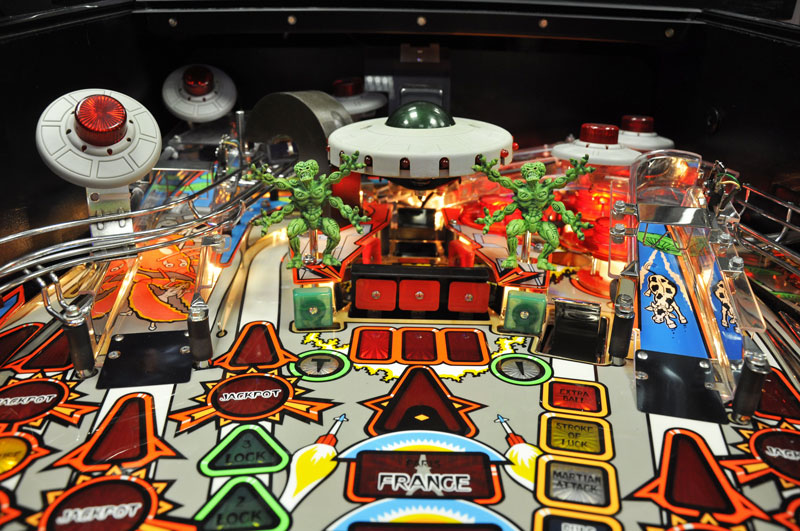
Equally important is the maintenance of the playfield, which serves as the canvas for the pinball machine’s intricate designs and gameplay features. A clean and well-maintained playfield not only looks appealing but also allows the ball to travel smoothly across its surface. Dust, grime, and debris can accumulate over time, introducing friction that disrupts the flow of the game. Regular cleaning and care of both the playfield and rubbers can extend the lifespan of the machine and help maintain its value for years to come.
By prioritizing the care of these components, pinball enthusiasts can ensure that their machines continue to perform optimally. In turn, this commitment to maintenance fosters a deeper appreciation for the mechanics and artistry behind pinball gaming, enhancing not just the experience, but also the connection between the player and the machine.
Understanding Pinball Machine Rubbers
Pinball machines incorporate various components, among which rubbers play a critical role in their functionality and overall performance. Understanding the types of rubbers used in these machines, as well as their functions, is essential for maintaining your pinball game in optimal condition.
Rubbers serve multiple functions in pinball machines. Primarily, they act as bumpers, providing cushioning when the pinball strikes various elements of the machine, such as flippers, posts, and ramps. This cushioning effect ensures that the pinball follows the intended path, allowing for a better gaming experience. Additionally, rubbers help in controlling the speed of the ball as it travels across different surfaces within the game, thereby enhancing gameplay dynamics.
There are typically two main types of rubbers used in pinball machines: natural rubber and silicone rubber. Natural rubber is often favored for its elasticity and resilience, providing a good balance of bounce and durability. However, it may degrade over time due to exposure to sunlight and other environmental factors. On the other hand, silicone rubber is known for its longevity and resistance to wear, making it a popular choice for those seeking a low-maintenance option. Understanding the materials used in these rubbers is crucial, as it directly affects their performance and lifespan.
Maintenance of pinball rubbers is vital. Neglect can lead to hardening or cracking, which compromises their effectiveness and can negatively impact gameplay. Regular checks and replacements can prevent these issues, ensuring that the rubbers serve their purpose effectively. By being proactive about rubber maintenance, players can enjoy a smoother, more reliable pinball experience, extending the life of their machines.
Tools and Materials Needed for Rubber Maintenance
Maintaining a pinball machine’s rubber is an essential aspect of ensuring its longevity and optimal performance. To effectively clean, maintain, and replace the rubbers on a pinball playfield, certain tools and materials are necessary. Understanding what these are will make the maintenance process more efficient and less cumbersome.
Firstly, the primary tools required include a set of wrenches. These are crucial for loosening and tightening various components of the machine. A socket wrench set is particularly useful as it can reach tight spaces, allowing for a comprehensive maintenance process. Additionally, a screwdriver set is necessary since some rubbers and components may be secured with screws. Flathead and Phillips screwdrivers should be part of your toolkit to address different screw types.
Moreover, having a pair of pliers is beneficial for gripping and pulling stubborn rubbers or hardware. Needle-nose pliers can be particularly handy for accessing tight spaces or getting a better grip on small items. In addition to these tools, a set of replacement rubbers is essential. It’s advisable to have a variety of sizes and types on hand—such as standard, thick, and thin rubbers—to accommodate different areas of the playfield.
Cleaning agents are also crucial for maintaining the quality of the rubber components. A dedicated pinball cleaning solution or a mild detergent mixed with water can effectively remove grime without damaging the rubber. Microfiber cloths are ideal for cleaning, as they do not leave lint and can effectively buff any surfaces. A toothbrush can also be a useful tool for scrubbing areas that are hard to reach.
Lastly, during maintenance, it is wise to have a small container handy to keep screws and small parts organized. This will help avoid losing any hardware during the maintenance process and ensure a smoother reassembly.
Step-by-Step Cleaning Process
Maintaining a pinball machine requires careful attention, particularly when cleaning the playfield and rubber components. A properly executed cleaning process not only ensures the machine’s appearance but also improves gameplay. Below is a thorough cleaning process that can be followed to achieve optimal results.
First, ensure that the pinball machine is powered off and unplugged. This step is critical for personal safety and to prevent any accidental damage to the machine. Once secured, begin by removing the glass from the playfield area. This access allows for a more comprehensive cleaning.
Using a gentle, non-abrasive cleaner, lightly spray the playfield surface. It is important to avoid harsh chemicals that might damage the artwork or clear coat. A microfiber cloth should then be used to wipe down the surfaces, ensuring that all dirt and grime are effectively removed. Pay close attention to areas around the rubber components, as these can accumulate dust and other debris.
After the playfield is cleaned, it is essential to turn attention to the rubber parts of the machine. Carefully remove the rubber rings from their designated locations. These rings can usually be cleaned with warm, soapy water; however, using a dedicated cleaner designed for rubber can yield better results. Submerge the rubber pieces in the solution for a short time, then gently scrub them using a soft brush to remove any stubborn dirt. Rinse them thoroughly to ensure no soap residue remains, as this can lead to slipping or degradation.
Once clean, allow the rubber components to air dry completely before reinstallation. It is advisable to check for any signs of wear or cracking during this process, as worn rubbers can negatively impact gameplay. Finally, once everything is dry, replace the rubber components and reattach the glass panel. Your pinball machine should now not only look cleaner but also offer a better playing experience.
Inspecting and Assessing the Condition of Rubbers
Maintaining the performance of a pinball machine is crucial for ensuring a great gameplay experience, and one of the key components to inspect regularly is the rubber. The rubber rings on the playfield serve not only as bumpers but also impact the ball’s trajectory and overall interaction with the playfield elements. As such, it is essential to evaluate the condition of these rubbers periodically.
When assessing the rubbers, start by visually inspecting their appearance. Look for any obvious signs of wear, such as cracking, discoloration, or a loss of elasticity. Healthy rubber should be firm and maintain its original shape; if you notice any deformities or that the rubber feels brittle, it is a clear indication that the rubber has aged and may need to be replaced.
Another critical sign to monitor is the level of friction and performance during gameplay. If you notice the ball traveling slower than usual or failing to rebound effectively against the rubbers, this can signal deterioration. Engaging in a few test plays can help determine if the rubbers are still performing optimally or if they are significantly hindering gameplay.
In addition to physical signs of damage, pay attention to the sound the machine makes during operation. Excessive noise when the ball strikes rubber could indicate that the rubber is hardening and losing its shock-absorbing qualities. Finally, evaluate the age of the rubbers; many experts recommend replacing them every few years, regardless of their condition, to ensure peak performance.
In conclusion, regularly evaluating the condition of playfield rubbers is essential for maintaining a functional and enjoyable pinball machine. Performing these inspections can help avoid extensive damage to other components and enhance the overall gameplay experience.
How to Properly Replace Rubbers on Your Pinball Machine
Replacing rubbers on a pinball machine is a crucial maintenance task that helps to ensure smooth gameplay and prolong the life of the machine. Worn or damaged rubbers can affect the ball’s trajectory and may lead to decreased performance. This guide will provide a step-by-step process for effectively replacing these vital components.
Firstly, gather the necessary tools and materials: a set of new rubber rings, a set of pliers, scissors, and a clean cloth. Before starting, unplug the machine to ensure safety during the maintenance process. It is advisable to consult the machine’s manual to identify the correct sizes and types of rubbers needed for replacement.
Begin by removing the playfield glass. Carefully lift the glass panel and set it aside in a safe location. This will provide you with clear access to the playfield and areas where the rubbers are located. Next, inspect each rubber ring; if it appears cracked, stretched or brittle, it will need to be replaced.
To remove an old rubber, gently pull it away from its post or anchor point. If the rubber is stubborn, using pliers can help, but be cautious not to damage surrounding components. Once the old rubber is removed, take a clean cloth to wipe any dust or debris from the area. This will ensure the new rubber fits snugly without obstruction.
When installing the new rubber, stretch it carefully around its designated post, ensuring that it is evenly aligned. It is essential not to overstretch the rubber, as this can lead to potential failure in the future. Properly securing the rubber will contribute to the overall gameplay and maintenance of the pinball machine.
After all rubbers have been replaced, inspect the setup thoroughly for any misalignments, and make sure they are firmly in place. Finally, replace the playfield glass, plug the machine back in, and perform a test to ensure everything is functioning optimally. Regular maintenance of the rubbers not only enhances the gameplay but also safeguards the integrity of the overall machine.
Maintenance Tips for Longevity
To ensure that the rubbers on your pinball machine last longer, it is essential to adopt a comprehensive maintenance routine. This includes not just regular upkeep, but also taking environmental factors into consideration. The longevity of the rubbers directly affects the overall performance and experience of the game.
First and foremost, it is crucial to keep the pinball machine in a stable environment. Excessive heat, humidity, or direct sunlight can degrade the rubber materials more quickly. Therefore, placing the machine in a climate-controlled room will immensely contribute to the durability of the rubbers. Additionally, avoiding locations where they can be exposed to damp or moist conditions is important.
Regular cleaning of the pinball machine is another effective way to ensure the new rubbers perform optimally for a longer period. Dust and debris can accumulate on the playing surface and around the rubbers, leading to wear and tear. Using a soft, dry microfiber cloth is recommended for removing dust, while a slightly damp cloth can assist in cleaning more stubborn residues without damaging the rubbers.
It is also beneficial to inspect the rubbers frequently for any signs of wear, such as cracking or discoloration. Addressing these issues immediately can prevent further damage and maintain the integrity of the playing experience. If rubbers begin to look worn, consider replacing them sooner rather than later.
In addition to cleaning and inspection, it is advisable to apply a rubber rejuvenator product periodically. These products help to revitalize the rubber, restoring some of its bounce and elasticity. This practice can notably extend the lifespan of the components while enhancing gameplay.
In summary, adopting these maintenance tips will not only prolong the life of the pinball machine rubbers but also enhance the overall performance of your machine. By keeping the environment stable, ensuring regular cleaning, inspecting for wear, and utilizing rejuvenation products, you will significantly contribute to both longevity and gameplay experience.
Troubleshooting Common Issues
After performing maintenance on pinball machine rubbers, players may encounter a variety of issues that can hinder gameplay. Understanding these common problems is essential for maintaining optimal machine performance and player satisfaction. This section aims to highlight potential issues and provide practical troubleshooting tips.
One of the most frequently reported problems is decreased ball speed, which can be attributed to worn or improperly installed rubber. If the rubber rings seem too loose or too tight, they may not facilitate the intended motion of the balls. Checking the tightness and proper seating of each rubber ring can often resolve this issue. Moreover, if new rubbers have been installed, ensure that they are of the correct size and type for the specific machine model.
Another common problem is the tendency for the ball to get stuck in or roll uncharacteristically over various parts of the playfield. If this occurs, inspect the rubber components for any deformation, as misshapen rubber can disrupt the ball’s flow. Additionally, cleaning the playfield and lubricating the moving parts can help to mitigate this issue and enhance overall gameplay.
Players may also notice that certain ramps or targets do not respond properly after rubber maintenance. This is often due to misalignment caused by the installation process. It is advisable to ensure that all components are correctly aligned and that no rubber has been placed where it could obstruct the motion of ramps or targets.
Lastly, if unusual noises or vibrations are detected during play, it may indicate that the rubber has not been securely fastened. Confirm that all rubber rings are adequately affixed and check for any loose parts within the machine that may cause rattling. Regular inspection post-maintenance can help in identifying and rectifying these issues promptly.
In conclusion, recognizing and addressing these common problems post-rubber maintenance can significantly enhance gameplay experience. Routine checks and adjustments are beneficial in keeping the pinball machine in its optimal working condition.
Conclusion and Final Thoughts
In conclusion, maintaining your pinball machine is essential for ensuring longevity and sustained enjoyment. Regular rubber maintenance is a critical component of this upkeep and contributes significantly to the overall performance of the machine. The components, such as bumpers and flipper rubbers, play a vital role in providing the interactive experience that pinball enthusiasts cherish. Ignoring these elements could lead to degraded gameplay and even damage to the machine over time.
The importance of proper care cannot be overstated. Neglecting to replace worn or damaged rubber not only affects the machine’s performance but also detracts from the enjoyment it offers. Good maintenance practices include routine checks and timely replacements of rubber parts. By doing so, you ensure that your pinball machine remains fun and engaging for players, whether they are occasional hobbyists or dedicated aficionados.
Additionally, keeping the machine clean and in working order enhances its aesthetic value. A well-maintained pinball machine, with fresh rubbers and clean surfaces, is appealing to both players and collectors. As such, investing time in maintenance is not only practical but also enhances your investment in the machine.
Encouraging a culture of care around pinball machines can greatly enhance the community experience. Networking with other enthusiasts for tips and sharing insights on maintenance practices can foster deeper connections and enrich the hobby. Therefore, consider establishing a regular maintenance schedule and following the advice outlined in this guide to keep your machine in peak condition.
In summary, the joy of pinball lies in its intricate gameplay and interactive experience, both of which are maintained through diligent upkeep. Take good care of your pinball machines, and they will provide endless entertainment and enjoyment for years to come.