
Introduction to Pinball Machines
Pinball machines have long held a distinctive position in the landscape of gaming, evolving from simple mechanical devices to complex electronic marvels. Their history reflects significant developments in technology and design, making them an important part of both gaming history and popular culture. Many enthusiasts recall their first encounter with a pinball machine, often evoking a sense of nostalgia that transcends generations.
The origins of pinball date back to the early 19th century with the invention of parlor games, which eventually led to the creation of the modern pinball machine in the 1930s. Over the decades, these machines have changed dramatically, incorporating advanced features such as electronic scoring, multiball play, and interactive displays. These innovations have solidified pinball’s status as a staple in arcades and entertainment venues.
Moreover, pinball machines have had a considerable cultural impact, serving as both a nostalgic reminder of simpler times and a representation of modern gaming. They have been depicted in films, music, and art, establishing a unique legacy that continues to draw interest. From competitive leagues to casual players, the allure of the flashing lights and sound effects keeps players engaged and entertained.
Today, despite the rise of digital gaming, pinball machines maintain a dedicated following. Their tactile experience, coupled with the challenge of targeting specific bumpers and ramps, provides a physical engagement that screens cannot replicate. This blend of mechanical skill and timing creates an experience that is profoundly satisfying and often addictive.
Thus, as we delve deeper into the evolution of pinball machines, we recognize their significance not only as a form of entertainment but also as a cultural artifact that reflects advancements in technology and design principles in the gaming industry.
Latest Innovations in Pinball Machines
In recent years, the world of pinball machines has witnessed remarkable innovations that have reinvigorated this classic arcade game. Modern pinball machines now incorporate advanced technology, stunning visuals, and interactive gameplay mechanics that significantly enhance the player experience. These innovations not only pay homage to traditional pinball but also bring fresh elements that appeal to a diverse audience.
One of the standout features of the latest pinball machines is the integration of high-definition displays, which provide vibrant graphics and animations. These screens not only showcase the game’s theme but also serve to guide players through their objectives, making gameplay more immersive. For instance, some machines even utilize LCD or LED displays as playfields, where animations react to player actions, creating a dynamic environment that keeps players engaged.
Additionally, the introduction of connectivity options has further modernized pinball machines. Features such as Wi-Fi capabilities allow players to connect with others online, participating in global leaderboards and competitions. This connectivity also enables regular software updates, allowing manufacturers to introduce new features or game modes post-release, thereby extending the longevity of the machines.
Unique gameplay mechanics have also evolved, with many machines now providing innovative modes that add complexity to traditional pinball play. For example, some machines offer quest-style objectives where players must complete various challenges to unlock multi-ball modes or special bonuses. This layer of strategy enriches the gaming experience, enticing both new players and seasoned enthusiasts.
The recent trends in pinball machines show that manufacturers are continually pushing the boundaries of what these arcade games can offer. With a combination of cutting-edge technology and inventive gameplay, modern pinball machines exemplify the harmonious blend of tradition and innovation, ensuring that the pinball legacy endures for future generations.
Notable Modern Pinball Machines
The landscape of pinball machines has transformed significantly in recent years, presenting players with a series of notable modern machines that showcase advanced technology, intricate designs, and engaging themes. These games are not only a nod to the rich history of pinball but also reflect contemporary trends in gaming and entertainment.
One standout example is the Wizard of Oz pinball machine, developed by Jersey Jack Pinball. Launched in 2013, it draws inspiration from the beloved 1939 film, integrating features such as a moving witch figure and vibrant LED displays. The game captures the essence of the classic tale while providing players with immersive gameplay that includes various modes and challenges.
Another highly acclaimed machine is Deadpool by Stern Pinball, released in 2018. This machine capitalizes on the popularity of the Marvel character, combining humor and action with a multitude of ramps and targets. Its unique comic book art style and engaging soundtracks create an experience that resonates with both pinball enthusiasts and fans of the Deadpool franchise.
Stern Pinball also introduced Jurassic Park, which has become a fan-favorite since its release in 2019. This machine features stunning visuals and sound effects that reflect the iconic movie series. The game includes interactive elements such as a T-rex that engages players, making it a dynamic experience. Its innovative design ensures that players are constantly challenged while enjoying the thrilling theme.
Additionally, the Game of Thrones pinball machine has captivated audiences since its launch in 2015. This game mirrors the complex narratives of the television series and allows players to engage with various houses and characters. Featuring multiple play modes and intricate strategies, it successfully encapsulates the essence of competition found within the show’s lore.
Each of these modern pinball machines highlights the creativity, technology, and passion behind their development, making them essential components in the evolution of the pinball industry.
The Transition from Mechanical to Electronic Pinball Machines
The evolution of pinball machines has been defined by significant technological advancements, particularly the transition from purely mechanical designs to electronic models. This shift began in the late 1970s and early 1980s, marking a pivotal moment in the gaming industry. Prior to this change, pinball machines operated on a simple, mechanical principle. Players would use flippers, bumpers, and a system of levers to guide the ball down the playfield. These machines were often limited in their gameplay depth and scoring capabilities.
The introduction of electronic components transformed pinball gameplay significantly. Electronic pinball machines replaced many mechanical parts with sensors, lights, and sound chips. This allowed for more complex game designs and enhanced player interaction. For instance, sound effects and music could be synchronized with the gameplay, creating a more immersive experience. Additionally, electronic displays replaced traditional score reels, enabling more dynamic scoring and game information presentation.
One of the earliest milestones in this transition was the release of the “Black Knight” in 1980, which featured a microprocessor and advanced features that were unprecedented in pinball history. This model allowed for multi-ball play and introduced new gameplay mechanics, setting a standard for future machines. The evolution continued with the addition of video screens and digital displays, which provided players with richer graphics and more engaging animations.
The shift to electronic pinball machines also led to the development of themed games. Prominent franchises from movies, television, and music began to influence the design and artwork of pinball tables. This not only appealed to a wider audience but also allowed for gameplay narratives that resonated with players, further enhancing their experience. Electronic pinball machines have since become the standard, retaining the core mechanics of traditional pinball while integrating modern technology. As a result, they continue to attract both new players and dedicated enthusiasts.
Classic Pinball Machines of the 1980s and 1990s
The 1980s and 1990s marked a golden era for pinball machines, with innovative designs and technological advancements transforming the gaming experience. This period saw the emergence of iconic machines that captivated players and established themselves as beloved classics. Notable manufacturers, such as Williams, Bally, and Data East, played pivotal roles in shaping the landscape of pinball during these decades.
One of the most influential pinball machines from the 1980s is the “Comet,” which was released by Williams in 1985. This machine was notable for its vibrant art, catchy sound effects, and engaging gameplay. The introduction of ramps and more complex playfield designs elevated the gaming experience, setting a new standard for future pinball machines.
As the decade progressed, Williams continued to innovate with their release of “The Addams Family” in 1992. This machine became one of the best-selling pinball machines of all time, partially due to its unique theme and cleverly designed features. The use of a talking Polly want a cracker, along with the introduction of toys and interactive elements, created an immersive experience that enthralled players of all ages.
Meanwhile, Data East introduced “Star Wars” in 1992, capitalizing on the popular franchise’s mythology. This machine featured thrilling sound clips from the movies and engaging artwork that drew fans of the saga into the world of pinball. The combination of thematic resonance and advanced technology solidified its status as a classic among retro pinball enthusiasts.
The 1990s also brought the introduction of dot matrix displays, which enhanced gameplay with visual animations and scoring systems, allowing for a richer player interaction. With advancements in sound systems, playfield mechanics, and captivating themes, the classic pinball machines of the 1980s and 1990s remain cherished relics of gaming history, celebrated for their lasting impact and nostalgic charm.
The Role of Art and Design in Pinball Machines
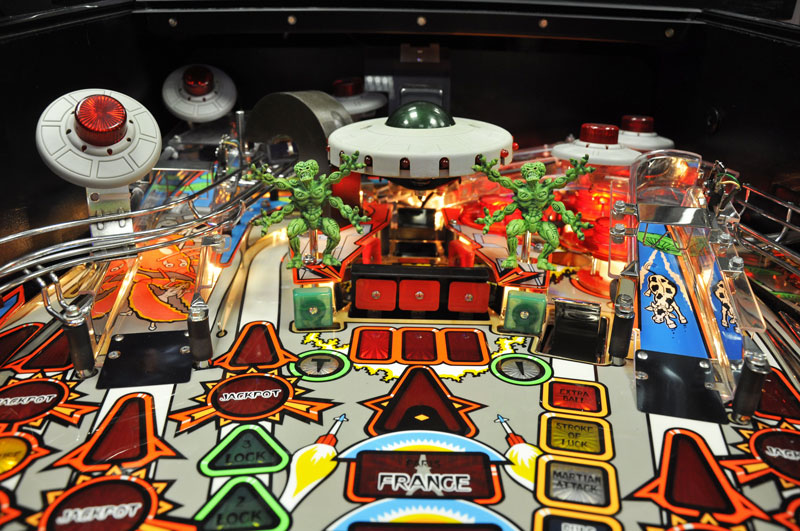
The artistic elements of pinball machines serve as a vital component of their overall appeal, often drawing players in even before they engage with the gameplay. The cabinet artwork is particularly significant, as it is typically the first thing a potential player will notice. Artists leverage vibrant colors, imaginative characters, and intricate graphics to create a visual story that encapsulates the theme of the machine. This illustration of creativity is not merely ornamental; it sets the mood for the gaming experience and sparks interest among enthusiasts and casual players alike.
Equally important is the playfield design, which encompasses where the player interacts with the game. The playfield must not only be visually captivating but also strategically designed to enhance gameplay. Designers utilize a combination of ramps, bumpers, and drop targets, often directing the player’s attention to various elements of artwork that enhance the storytelling aspect of the machine. A well-designed playfield merges form and function, allowing for an engaging play experience while simultaneously showcasing artistic talent.
Additionally, as the evolution of pinball machines continues, the integration of modern technologies has further magnified the importance of design. Digital displays, LED lighting, and animations now contribute to the aesthetic experience, enriching the visual components that make pinball machines unique for each theme. As such, the role of art and design evolves with changing trends, reflecting cultural references while maintaining the nostalgic charm these machines are known for.
In essence, the aesthetics of pinball machines play a crucial role not only in attracting players but also in ensuring a rich and immersive gaming experience. This intertwining of art and design within the realm of pinball highlights how deeply rooted cultural expressions are in the evolution of these iconic machines. The synergy between innovative design and artistic creativity ultimately defines the enduring legacy of pinball as a beloved pastime.
Rare and Collectible Pinball Machines
Pinball machines have undergone significant transformations since their inception, evolving from basic gameplay to complex mechanical masterpieces. Among the vast array of pinball offerings, certain machines have emerged as highly coveted collectibles, largely due to their rarity, historical significance, and innovative design. Collectors and enthusiasts often seek these rare pinball machines not only for their nostalgic value but also for their unique features that set them apart from more common models.
One of the most sought-after machines among collectors is the “Gottlieb King Tut” produced in 1978. Its limited release and the captivating Egyptian theme contribute to its desirability. Another revered machine is the “Williams Twilight Zone,” known for its intricate playfield and numerous gadgets, which makes it a thrilling experience and a valuable addition to any collection. The blend of artistry and engineering in these machines plays a crucial role in their appeal.
Additionally, the “Chicago Coin’s” “Big Shot” from the 1970s has garnered attention for its unique gameplay mechanics and vibrant artwork. With only a handful in existence, this machine exemplifies rarity in the pinball world. Similarly, the “Bally Wizard” from 1975 draws collectors due to its iconic status and the lasting popularity of its theme, which centers around the classic rock band The Who.
Factors such as the quantity produced, condition, historical context, and popularity at the time of release play significant roles in determining the value of these rare machines. Enthusiasts often participate in auctions, and prices can skyrocket based on the desirability and condition of a machine. Preserving a rare pinball machine can also involve specialized care, making them even more exclusive.
The allure of rare pinball machines goes beyond just gameplay; they serve as pieces of art and history, embodying the evolution of entertainment technology. For these reasons, the market for collectible pinball machines continues to thrive, captivating collectors and gaming aficionados alike.
The Evolution of Pinball Technology
The journey of pinball machines is significantly marked by the evolution of technology, which has continuously revolutionized their design and functionality. The transition from mechanical to electronic components has been one of the most transformative phases. Early pinball machines were purely mechanical, relying on a series of levers, springs, and mechanical scoring systems to engage players. However, with the advent of electronic systems in the late 1970s, pinball began to embrace computerized technology, fundamentally reshaping the gaming experience.
Electronic pinball machines use microcontrollers to manage complex game rules and interactions, significantly enhancing a player’s level of engagement. For instance, the introduction of solid-state electronics allowed manufacturers to implement more intricate gameplay mechanics, leading to the creation of themes and narratives that could hold the players’ attention for longer periods. This level of interactivity marked a shift from mere score achievements to a more vibrant gaming experience.
In addition to the incorporation of electronic systems, sound design has seen notable improvements, moving from basic mechanical sounds to sophisticated audio effects. Modern pinball machines feature high-quality sound systems that produce clear and dynamic sounds, enhancing the atmosphere and immersion of the game. The scoring and adventure-like sounds are no longer merely functional; they actively contribute to the overall experience, enriching gameplay.
Furthermore, advancements in manufacturing techniques have also played a critical role in the evolution of pinball technology. Innovations in materials and production processes have allowed manufacturers to create more durable and visually striking machines. Modern graphics and lighting, coupled with intricate mechanical setups, result in pinball machines that are not only appealing but also robust enough to withstand the rigors of frequent play.
Overall, the technological advancements that have influenced pinball machine design have transitioned the game from its classic origins to modern marvels, showcasing the continuous interplay between tradition and innovation in the realm of gaming.
The Future of Pinball Machines
The pinball industry continues to thrive, adapting to the preferences and technological advancements of a new generation of players. As we gaze into the future of pinball machines, a myriad of trends and innovations are likely to emerge, shaping the gaming landscape. One prominent trend is the integration of digital technology into traditional pinball machines. Hybrid models that combine physical gameplay with digital displays and interactive features are already drawing interest. These machines offer players an immersive experience that harnesses both tactile mechanics and visual engagement, thus attracting both veteran enthusiasts and new users.
Another potential evolution is the move toward more personalized gameplay. Future pinball machines could employ advanced software to allow players to customize their experience. Features like tailored scoring systems, unique game modes, and personalized soundtracks may soon become commonplace. The rise of mobile technology and the app economy suggests that integrating smartphones with pinball machines could further enhance gameplay. This could foster community events where players engage in friendly competitions or collaborate in real time.
Moreover, we may witness an increase in collaboration between pinball manufacturers and game developers. Utilizing the storytelling elements popular in video games could lead to pinball themes that resonate with various pop culture phenomena. This fusion of genres would not only rejuvenate interest in classic pinball aesthetics but also attract fans of multimedia storytelling.
For enthusiasts, the future of pinball machines holds immense promise. As technology advances, pinball may blend traditional mechanics with innovations that captivate and challenge players more than ever before. The potential for more interactive, personalized, and thematic experiences could pave the way for a renaissance in the pinball industry, ensuring its relevance and appeal in the years to come.